

Starting a new business or running a growing startup means juggling many risks, and the right business insurance policies can protect your venture from financial ruin. In 2025, insurance isn’t just about compliance; it’s about safeguarding your team, clients, and assets. Skipping key coverage like general liability, commercial property, or even a business umbrella insurance policy can leave you exposed to lawsuits, disasters, and cyberattacks. This guide walks through the types of business insurance policies every small business, freelancer, or agency should consider. We’ll explain what each policy covers, key cost factors (hint: how much small business insurance costs varies by risk), and why you need them. By the end, you’ll know do I need business insurance and which ones are best for your situation, from general liability to workers’ comp and cyber liability.
General Liability Insurance
General liability insurance is often the first protection small businesses buy. It covers everyday accidents: bodily injury, property damage, libel or slander claims, medical expenses, and legal defense costs if someone sues. For example, if a customer slips in your store or your product damages someone’s property, this policy steps in. According to the NAIC, this “business liability” coverage pays for injuries on your premises and related legal fees. Many startups package general liability into a Business Owner’s Policy (BOP) bundle with other coverages, but even alone, it’s a must-have. Expect premiums roughly in the hundreds to low thousands per year (Insureon cites about $42/month or ~$500/yr on average; NerdWallet notes ~$500–$3,000/yr depending on size). Cost factors include your industry (retail vs. consulting), location, claims history, and policy limits. If you ever worry an incident might exceed those limits, a business umbrella insurance policy can provide extra liability coverage beyond the base policy. In short, no matter your field, ensure your business assets and customers’ general liability protect you from claims that could otherwise derail your startup.
Commercial Property Insurance
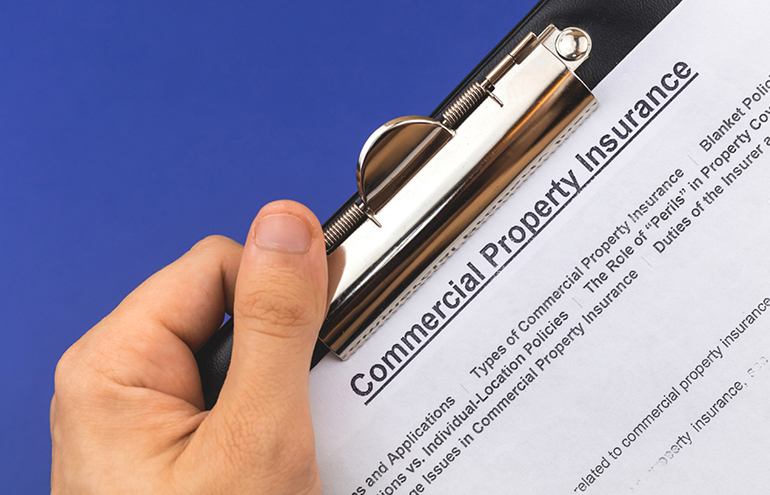
If your business owns or leases office space, equipment, inventory, or other physical assets, commercial property insurance is vital. This policy (sometimes called business property insurance) shields your building, tools, furniture, and stock from perils like fire, theft, vandalism, windstorms, and more. For example, NAIC explains it “protects the business’s location and physical property” and pays for repair or replacement after covered damage. Even if you work from a home office, a rider can extend your homeowner’s plan. Typical costs run from about $1,000 to $3,000 per year for small shops. Factors influencing cost include the property’s value, location (flood zones raise premiums) and security measures. Commercial property insurance often comes bundled in a business owner’s policy to save on premiums. Without it, a single disaster, say a fire or flood, could wipe out your capital. For startups and agencies, protecting inventory and tech equipment can mean the difference between recovery and closure after a loss.
Business Income Insurance

Also known as business interruption insurance, business income insurance covers your lost earnings and ongoing expenses if your business must temporarily shut down due to a covered disaster (fire, storm damage, etc.). Think of it this way: if a fire closes your restaurant, you still have to pay rent, utilities, and some employee wages. Business income coverage replaces that lost revenue. Investopedia defines it as insurance that “replaces business income lost in a disaster, such as a fire or natural catastrophe.” The NAIC similarly notes it helps companies pay fixed expenses and recoup revenue while repairs are made. It’s typically not sold alone but comes as an add-on to property insurance or inside a BOP. Costs average around $1,200 per year (NerdWallet) and vary by business size and risk. This insurance is critical for small businesses that would struggle to cover bills during downtime. Without it, a few weeks of lost income could bankrupt a startup. (Pro tip: check for exclusions like pandemics or specific events. After COVID-19, many policies exclude viral losses.)
Workers’ Compensation Insurance

If you hire employees, Workers’ Compensation Insurance is often required by law and indispensable for protecting your team and your business balance sheet. This coverage pays medical bills and partial wage replacement for employees who are injured or fall ill due to work, and it shields you from most related lawsuits. As NerdWallet explains, workers’ comp “ensures injured workers get the care and compensation they need, as well as protects employers from lawsuits by injured workers.” Federally (and in most states), any business with employees must carry workers’ comp, unemployment, and disability insurance. Premiums depend on payroll size, job risk, and state regulations. For reference, NerdWallet cites about $0.75–$3 per $100 of payroll; Insureon averages roughly $45 per month. Factors like heavy labor vs. desk work will change your rate. Even if you’re a freelancer with no staff, it’s worth noting workers’ comp can sometimes cover sole proprietors (in case of injury). But if you do have a team, skipping this coverage is not an option; it’s legally mandated and helps maintain employee trust and safety on the job.
Professional Liability Insurance
Professional Liability Insurance (aka Errors & Omissions or E&O insurance) is crucial for any business that provides services or advice. It protects you from claims related to mistakes, negligence, or failure to deliver promised services. For example, if a consultant gives faulty advice that costs a client money, this policy covers legal defense and damages. NerdWallet notes professional liability covers a client’s financial losses due to your business’s errors or malpractice. Investopedia emphasizes that it provides “essential coverage to small businesses for protection against professional mistakes” at a cheaper rate than covering attorney fees out of pocket. Premiums vary by profession; in IT, accounting, legal, or real estate fields, it’s common. On average, policies might cost $600–$1,200 per year. For agencies and freelancers, this can be one of the best professional liability insurance options to seek out (compare insurers with high ratings). While not usually legally required (unless licensed in certain fields), many clients will require proof of E&O before signing a contract. Given the high cost of even a single lawsuit, most service-based businesses consider it indispensable.
Commercial Auto Insurance
If your business uses vehicles, from a single work van to a fleet of trucks, commercial auto insurance is vital. It covers accidents involving business-owned or used vehicles, including bodily injury and property damage liability, collision and comprehensive damage to the vehicle, and more. In fact, almost every state (all except New Hampshire) legally requires commercial auto coverage for company vehicles. Even if you only use a personal car for occasional business errands, your personal policy likely won’t cover a crash on company time. Insureon reports the average small business pays about $147 per month ($1,762/year) for commercial auto insurance. Key factors include how many vehicles you have, their usage (delivery trucks face a higher risk than office sedans), drivers’ records, and chosen policy limits. A commercial auto policy offers the same financial protection as personal auto insurance but is tailored for business use. Without it, your business could face steep fines for uninsured driving and hefty out-of-pocket costs for even minor accidents.
Cyber Liability Insurance
In today’s digital world, Cyber Liability Insurance (or cyber insurance) is increasingly important, even for small businesses. This coverage protects you against financial losses from data breaches, hacking, ransomware, and other cyberattacks. If your startup stores customer data, credit card info, or other sensitive records, a breach could trigger notification costs, credit monitoring for customers, legal defense, and fines. Investopedia defines cyber insurance as a policy “that protects businesses from financial losses caused by data breaches and other types of cyberattacks.” Commonly, it covers first-party costs (data recovery, PR, business interruption due to systems outage) and third-party costs (customer lawsuits, regulatory fines). Small businesses can often get a basic cyber policy for around $1,740 per year on average. Cost depends on factors like how much personal data you hold and your cybersecurity practices. Given rising cybercrime threats, this insurance can be crucial for tech startups, agencies handling client data, or any freelancer handling personal info. Even small breaches can be costly, so cyber insurance adds a safety net for the unpredictable digital risk.
TaxMagic Can Help You Get the Right Coverage
Choosing the right mix of insurance can be overwhelming, but you don’t have to navigate it alone. TaxMagic is here to guide startups, freelancers, and small business owners every step of the way. Our experts understand the unique risks of your industry and will help you compare policies and premiums. We can connect you with trusted carriers for each coverage, from general liability to cybersecurity, and ensure your small business insurance costs are optimized. With TaxMagic on your side, you’ll gain confidence knowing you have the protection you need. Need personalized advice? Contact our support team to discover how we can help you save time and money, allowing you to focus on growing your business without worrying about what-ifs.
Frequently Asked Questions
Q1: Do I need business insurance in 2025?
ANS: Yes, every startup, freelancer, agency, and small business should have insurance for legal and financial protection.
Q2: How much does small business insurance cost?
ANS: Costs vary by business type and coverage, typically ranging from a few hundred to a few thousand dollars per year.
Q3: What insurance do startups need?
ANS: Startups usually need general liability, professional liability, commercial property, and cyber liability insurance.
Q4: Which business insurance policies are legally required?
ANS: Most states require workers’ compensation insurance, and some mandate commercial auto insurance for business vehicles.
Q5: What’s the best insurance for home-based businesses or freelancers?
ANS: A combination of general liability and professional liability is typically the most suitable.
